
Historic Hotels in Buckinghamshire
Places to stay in Buckinghamshire connected to famous figures from history.
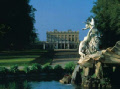
Cliveden. Taplow.
Monarchs, politicians, actors and literary icons have all stayed at Cliveden over the years, and it was even the site of a famous political scandal. But, above all, it is the epitome of the 5-star country house hotel.
Monarchs, politicians, actors and literary icons have all stayed at Cliveden over the years, and it was even the site of a famous political scandal. But, above all, it is the epitome of the 5-star country house hotel.
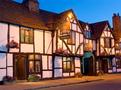
The Kings Arms. Amersham.
Both one of Buckinghamshire's most famous hotels and regular film set, the Grade II* listed Kings Arms is reputed to have once played host to Oliver Cromwell.
Both one of Buckinghamshire's most famous hotels and regular film set, the Grade II* listed Kings Arms is reputed to have once played host to Oliver Cromwell.
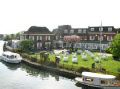
The Compleat Angler. Marlow.
A haven for celebrities of the early 20th century, The Compleat Angler was a regular haunt of well-known figures as diverse as Tallulah Bankhead and J M Barrie.
A haven for celebrities of the early 20th century, The Compleat Angler was a regular haunt of well-known figures as diverse as Tallulah Bankhead and J M Barrie.
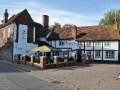
The Greyhound. Chalfont St Peter.
A real old inn as one can only find in England, a number of historic figures have passed through The Greyhound’s doors over the centuries.
A real old inn as one can only find in England, a number of historic figures have passed through The Greyhound’s doors over the centuries.
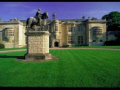
Hartwell House. Aylesbury.
Hartwell might well be the archetypal classic English country house, but its historic significance also relates to France and the USA.
Hartwell might well be the archetypal classic English country house, but its historic significance also relates to France and the USA.
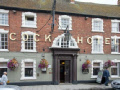
The Cock Hotel. Stony Stratford.
The Cock is every bit the traditional English coaching inn, and one with a fair number of stories to tell. In fact, the telling of “tall tales” is precisely what makes it so historic.
The Cock is every bit the traditional English coaching inn, and one with a fair number of stories to tell. In fact, the telling of “tall tales” is precisely what makes it so historic.
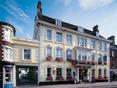
The Swan Revived. Newport Pagnell.
Another one of Buckinghamshire's splendid old coaching inns, the Swan Revived was fortunate to escape damage during the fire of Newport Pagnell in 1880.
Another one of Buckinghamshire's splendid old coaching inns, the Swan Revived was fortunate to escape damage during the fire of Newport Pagnell in 1880.
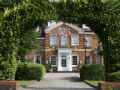
The Kings. Stokenchurch
Just a short distance from High Wycombe, The Kings was known as The George and Dragon until a certain monarch and his famous mistress came to stay.
Just a short distance from High Wycombe, The Kings was known as The George and Dragon until a certain monarch and his famous mistress came to stay.
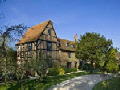
Shakespeare House. Grendon Underwood.
How many places where William Shakespeare supposedly stayed on his travels are still in existence? Not many, is the answer, but this is almost certainly one of them.
How many places where William Shakespeare supposedly stayed on his travels are still in existence? Not many, is the answer, but this is almost certainly one of them.
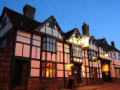
The Red Lion. Wendover.
Page to follow. Historic connection: Oliver Cromwell, Robert Louis Stevenson, Rupert Brooke. Further practical details are available courtesy of Booking.com
Page to follow. Historic connection: Oliver Cromwell, Robert Louis Stevenson, Rupert Brooke. Further practical details are available courtesy of Booking.com
www.booking.com/hotel/gb/corus-burnham-beeches-hotel.en-gb.html?aid=339525Burnham Beeches Hotel. Burnham.
Page to follow. Historic connection: Thomas Gray (1737). Further practical details are available courtesy of Booking.com
Page to follow. Historic connection: Thomas Gray (1737). Further practical details are available courtesy of Booking.com
How you can help: if you are aware of a historic hotel in Buckinghamshire that you believe ought to be included on the site, please contact us via email (info@nightsinthepast.com) in the first instance. Please note that these should have connections to famous people and events from the past.